Python & data
Learn to turn raw records into results you can explain. Start with Python values and control flow, then work through data validation, SQL, and statistical interpretation. The tutorials use small inputs so you can predict an answer before running the program.
What should I learn first?
If you are new to coding, follow the 30 Days Python Challenge. If you already write basic Python, begin with the CSV analysis capstone and choose a deeper article when your work raises a specific question. Use the browser tools to inspect a small sample before changing a whole dataset.
Start with these guides
Search the full libraryYour first Python program: input, variables, and output
Build a tiny calculator and learn to read what each line does.
Read articleRead a CSV in Python without losing track of your data
Load a small file, inspect its columns, and handle the two common surprises: delimiters and missing values.
Read articlePython data capstone: audit a CSV and write a defensible summary
Combine CSV reading, validation, grouping, and statistics in a complete small project with a reconciliation check.
Read article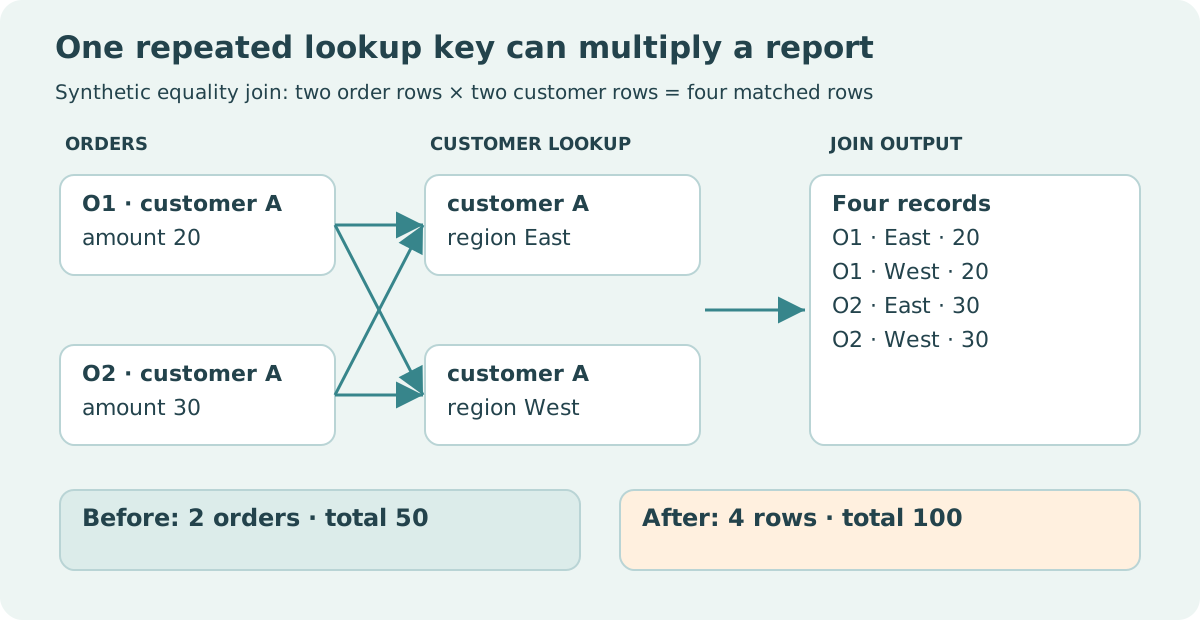
Pandas Merge Validation: Stop Duplicate Rows and Audit Missing Matches
Use Pandas merge validation to prevent duplicate rows, audit unmatched keys, handle nulls deliberately, and reconcile totals with reproducible examples.
Read article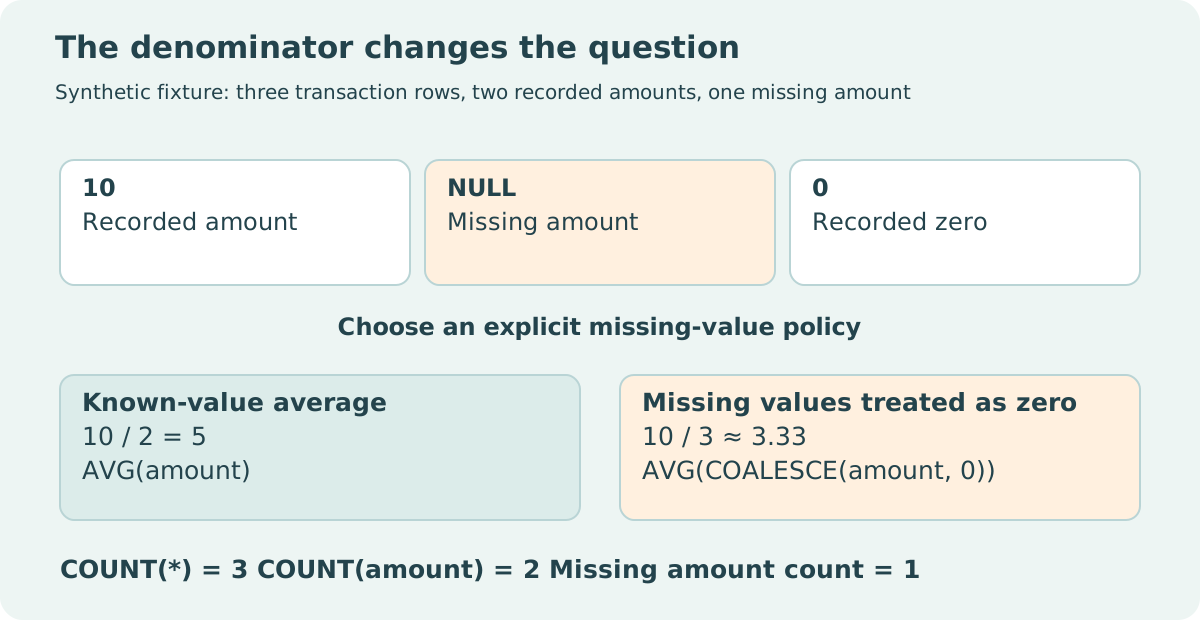
SQL NULL Explained: Correct Filters, Counts, Averages, and Joins
Understand SQL NULL with tested SQLite examples. Avoid NOT IN traps, misleading averages, and left join filters that silently remove unmatched records.
Read articleMean or median? A five-number example with an outlier
See why one unusual value can shift the average and how to choose a useful summary.
Read article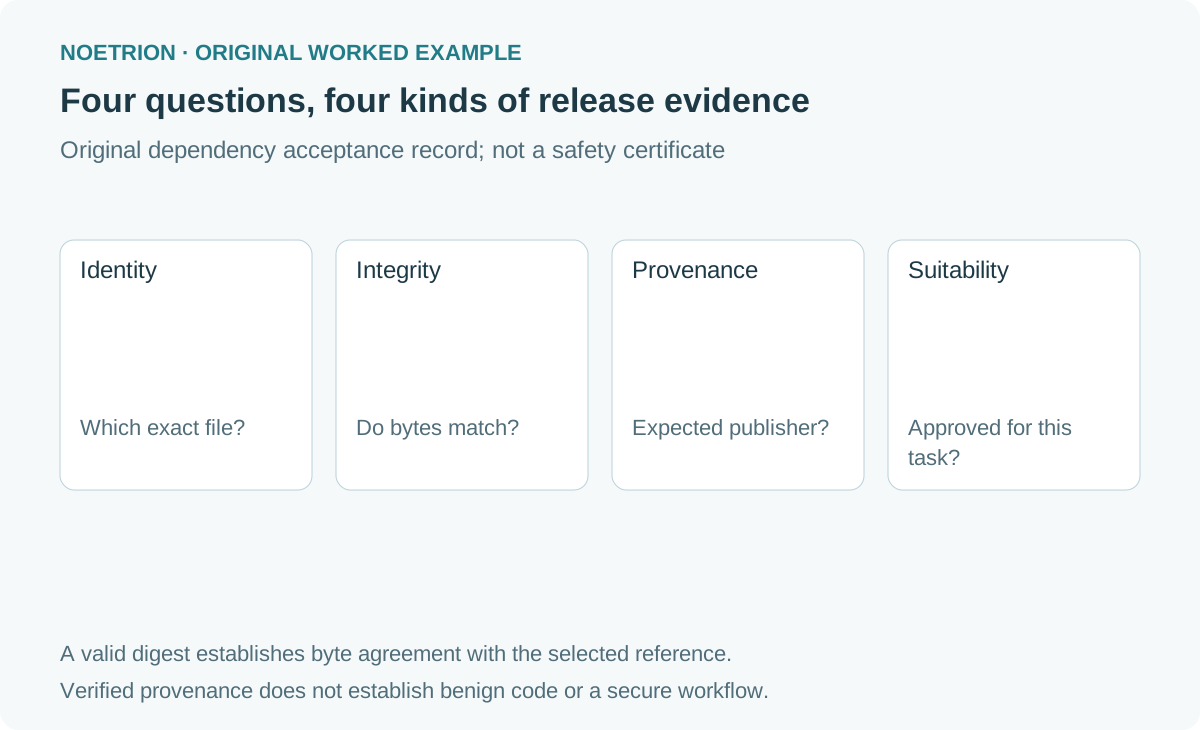
Python Package Provenance: What Attestations Prove—and What They Do Not
Learn how PyPI attestations, trusted publishing and hash checks fit together, then build a practical release-review record without confusing provenance with safety.
Read article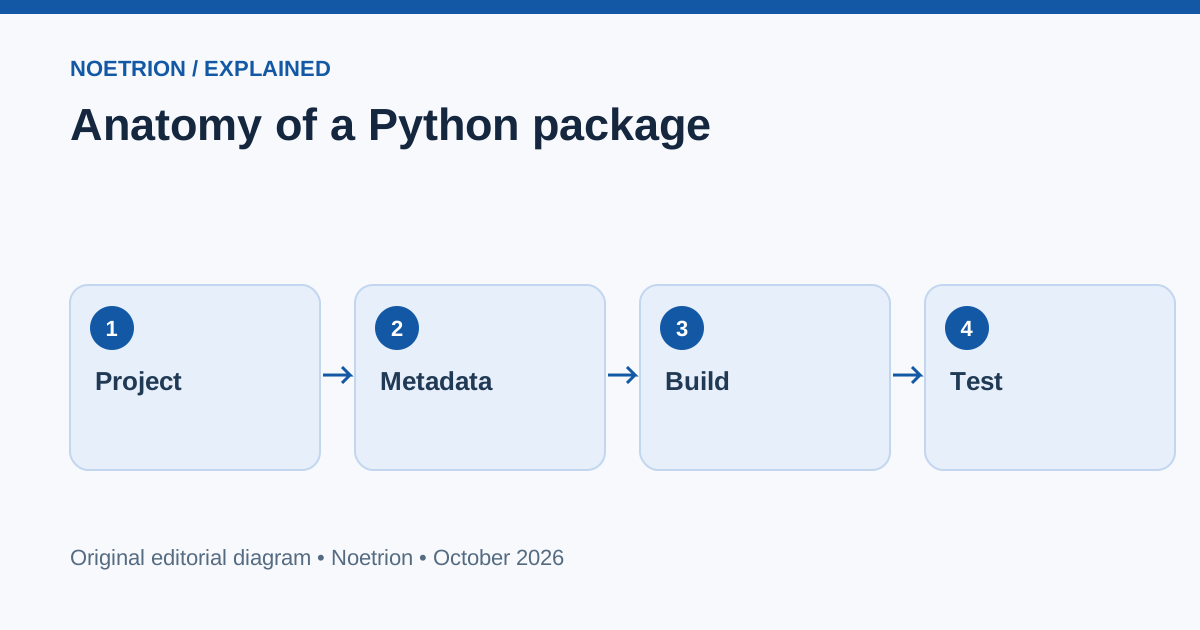
How to Structure a Python Project With pyproject.toml in 2026
A practical Python packaging guide: understand pyproject.toml, src layouts, build backends, dependencies, and a safe first package.
Read article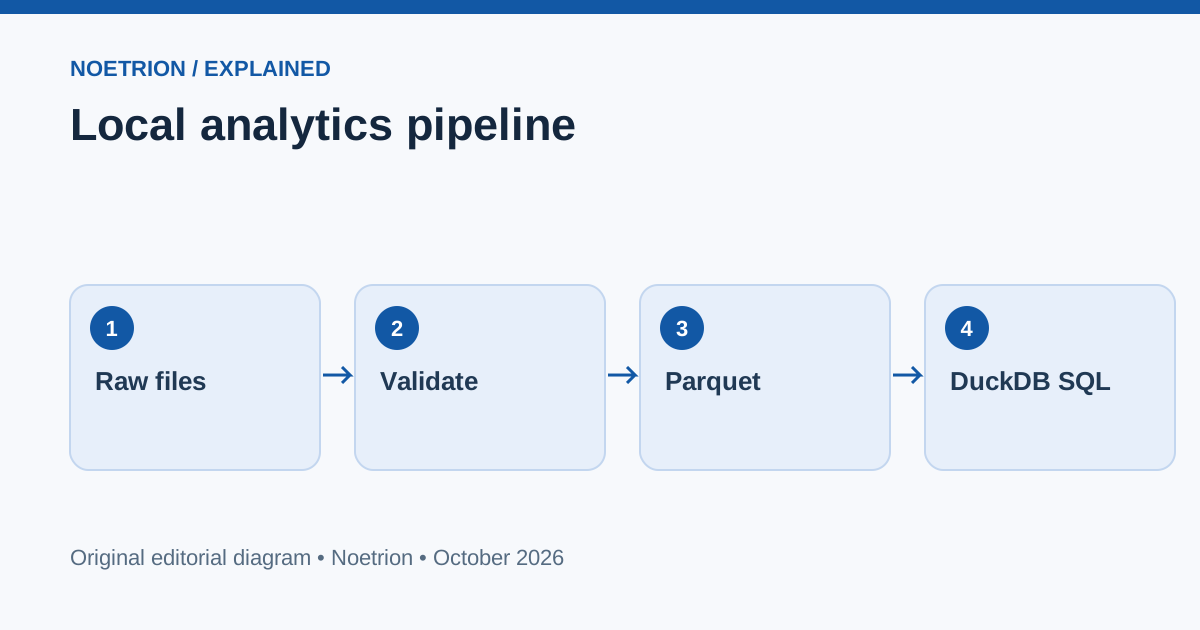
DuckDB and Parquet: A Practical Local Analytics Workflow Without a Database Server
Learn how DuckDB queries Parquet files with SQL, why columnar storage matters, and how to build a reproducible local analytics workflow.
Read article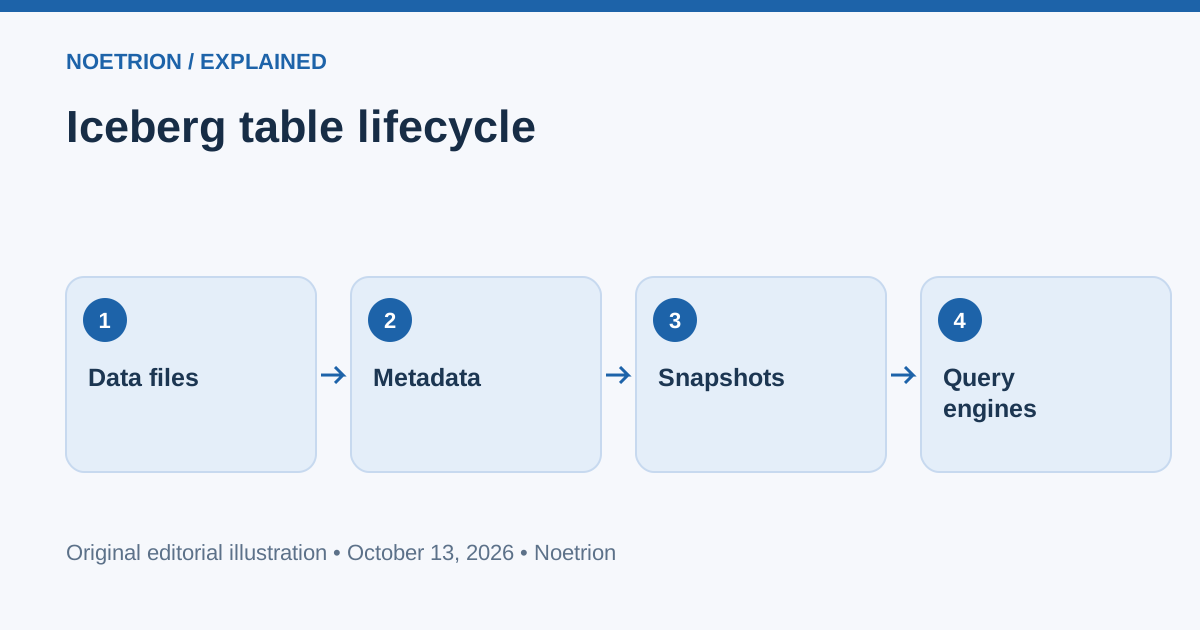
Apache Iceberg 1.12.0: What Data Engineers Should Know Before Upgrading
Apache Iceberg 1.12.0 arrived October 5, 2026. Explore Variant, geospatial types, deletion vectors and breaking compatibility changes.
Read article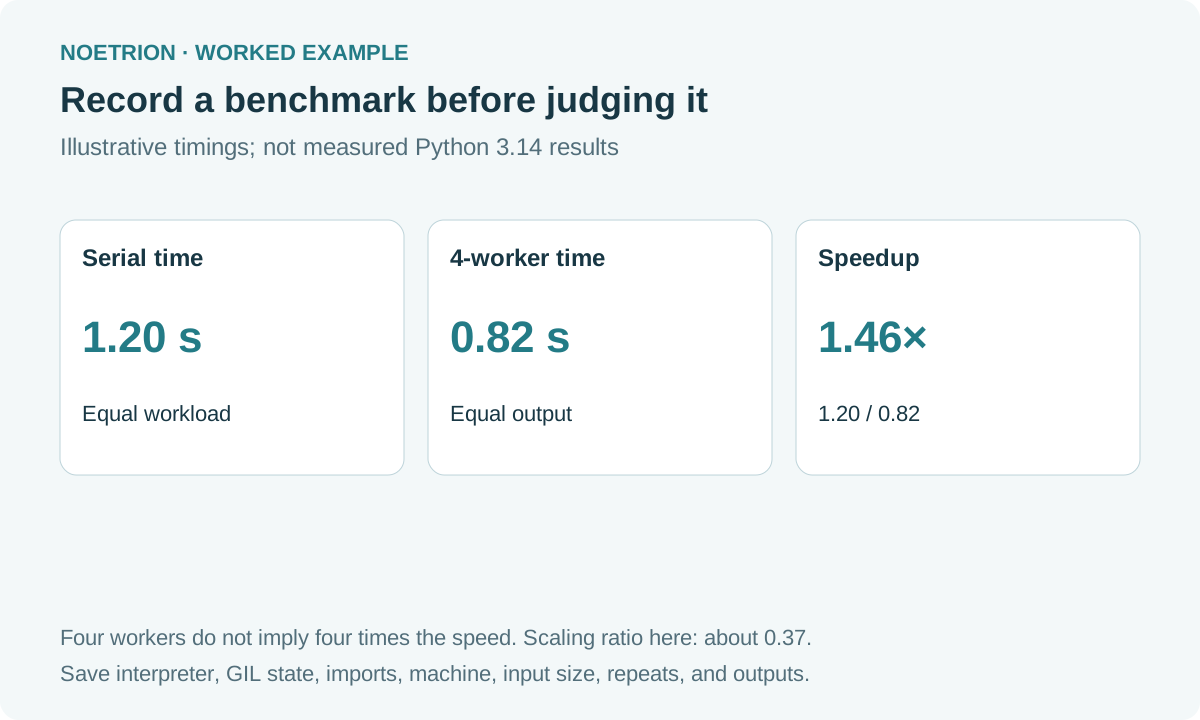
Free-Threaded Python 3.14: A Benchmark Worksheet You Can Reproduce
Compare serial and threaded execution with correctness checks, repeated timings, interpreter details, and an honest record of what the benchmark covers.
Read article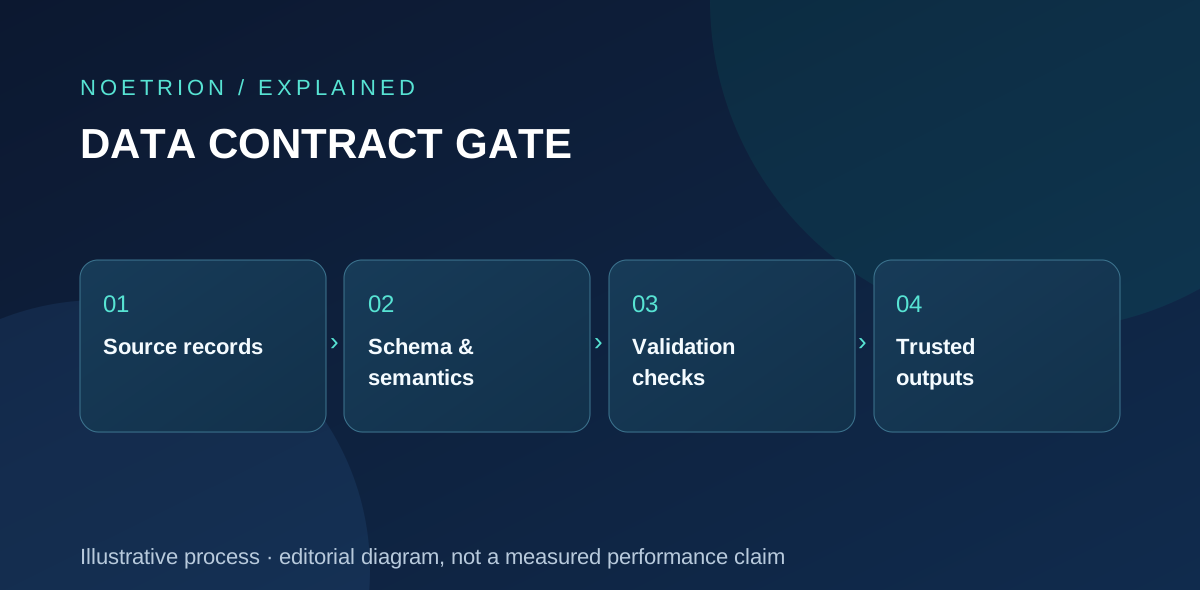
Data Contracts Explained: Stop Bad Data Before It Reaches a Dashboard
Learn how data contracts, validation rules and ownership protect analytics pipelines from silent errors, with a worked example and checklist.
Read articleMake the reading useful
Pick one guide, reproduce its example or apply its comparison to your question, and record the result. Follow the source links when a claim affects your decision. If an explanation leaves a step unclear, tell us the page and the step through the correction form.